Building Agentic Workflows: A Technical Deep Dive
Building Agentic Workflows: A Technical Deep Dive
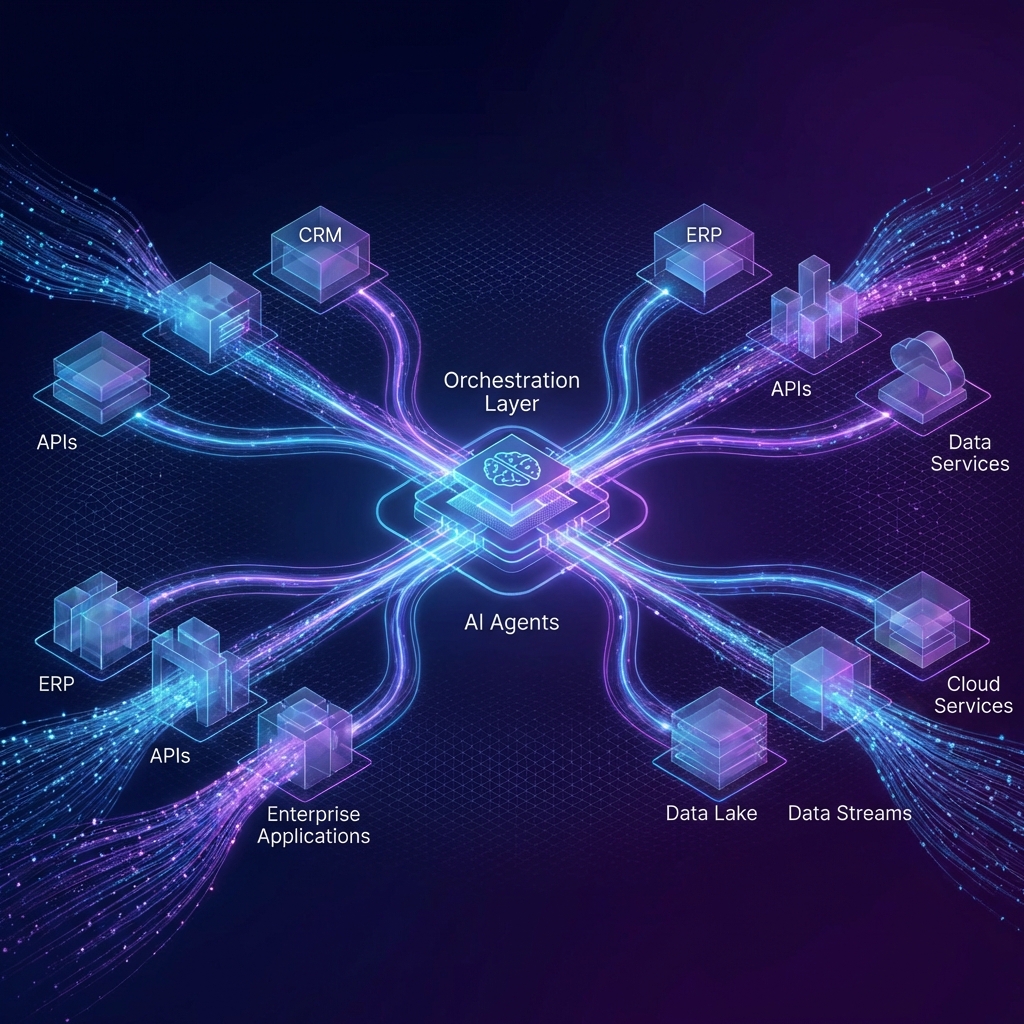
When building AI agents for enterprise environments, the architecture decisions you make early on can determine the success or failure of your system. In this post, we'll explore the key patterns and considerations for building robust agentic workflows.
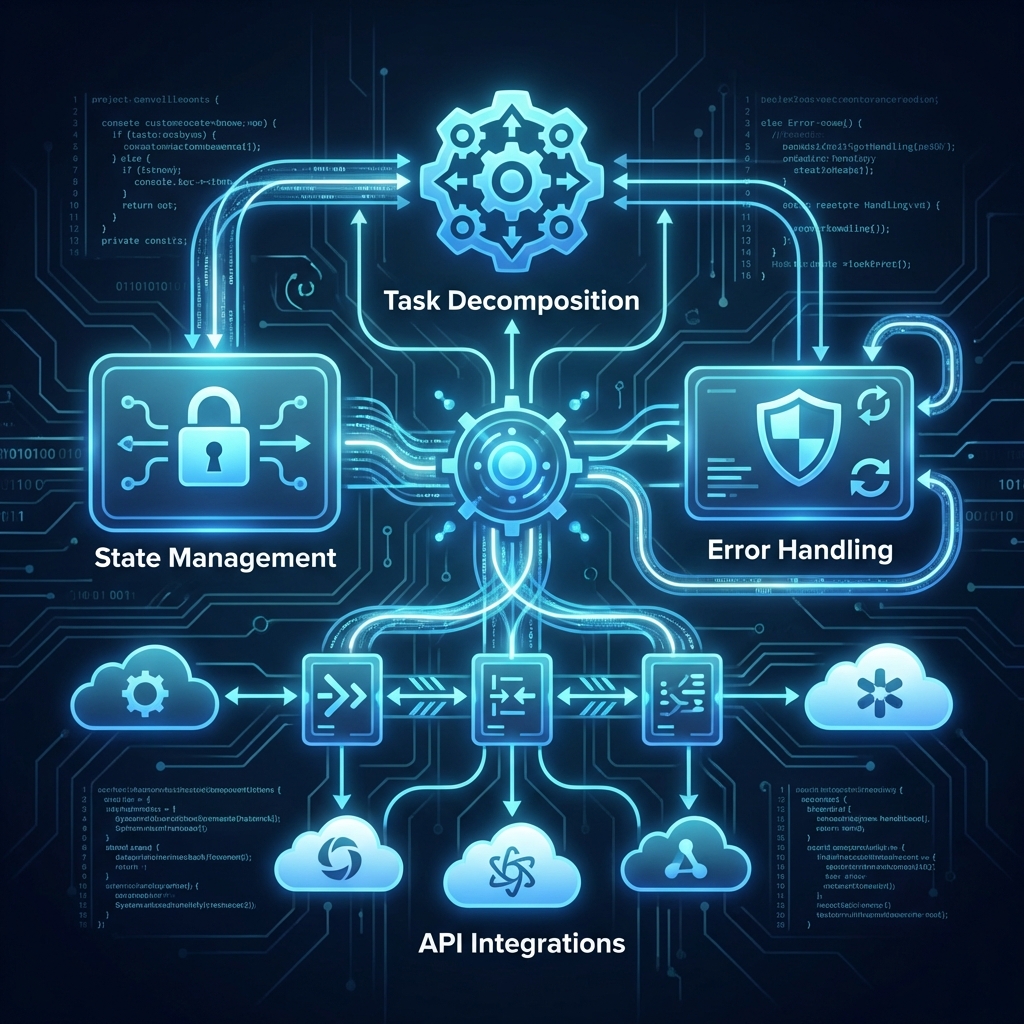
The Foundation: Task Decomposition
The most critical aspect of agentic systems is task decomposition. Breaking complex goals into atomic, verifiable steps allows for:
- Better reliability: Each step can be validated independently
- Improved observability: Clear logging and debugging at each stage
- Graceful failure handling: Rollback and recovery become possible
class AgentTask:
    def __init__(self, goal: str, context: dict):
        self.goal = goal
        self.context = context
        self.subtasks = self.decompose()

    def decompose(self) -> list[Subtask]:
        # LLM-powered decomposition
        return planner.break_down(self.goal, self.context)
State Management
Agents need to maintain state across multiple interactions and tool calls. We recommend:
- Persistent state stores: Redis or DynamoDB for cross-session memory
- Conversation history: Bounded context windows with summarization
- Tool execution logs: Full audit trail of agent actions
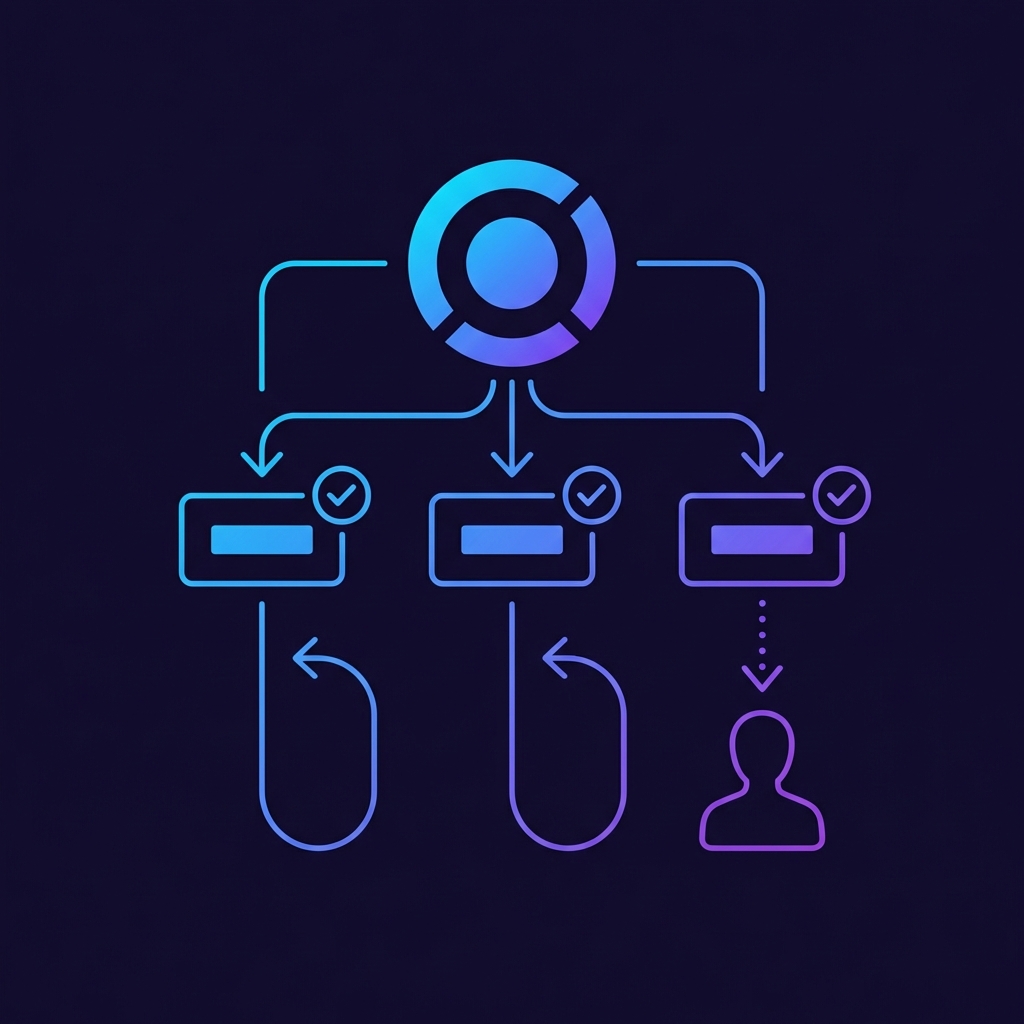
Error Recovery Patterns
Enterprise agents must be resilient. Key patterns include:
- Retry with exponential backoff: For transient failures
- Human-in-the-loop escalation: When confidence is low
- Checkpoint and resume: For long-running workflows
Getting Started
Ready to build your first enterprise agent? Contact us for a technical consultation.
Related Posts
From Zero to AI Agent: What to Expect From a Hands-On AI Workshop
A practical guide to what happens inside a hands-on AI agent workshop — from architecture patterns to deploying your first working agent.
AI Agents in Finance: Transforming Trading, Risk, and Compliance
Explore how AI agents are revolutionizing the financial services industry with 24/7 automated trading, intelligent risk assessment, and proactive compliance monitoring.
The Rise of AI Agents in Enterprise Software
Discover how AI agents are transforming business operations and why 2026 is the year of agentic automation.